


The Importance of Exercise When Living with a Neurological Condition
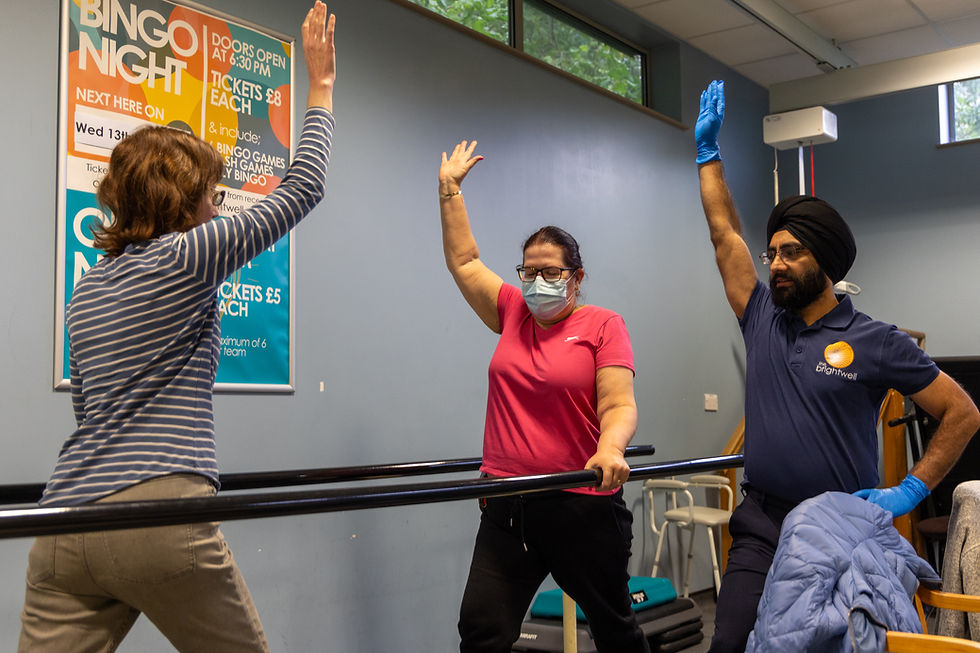
Living with a neurological condition—whether it’s Multiple Sclerosis (MS), Parkinson’s, ME/CFS, or a stroke recovery—can often feel like your body is playing by a different set of rules. When your nervous system is sending mixed signals, the idea of "keeping fit" might feel daunting or even impossible.
However, exercise isn't just about aesthetics or "standard" fitness; for those with neurological challenges, movement is a powerful form of neuro-rehabilitation.
The "Neuro-Plasticity" Advantage
One of the most incredible things about the human brain is its ability to reorganize itself by forming new neural connections, a process known as “neuro-plasticity.”
Physical activity acts as a catalyst for this process. When you move, you aren't just strengthening muscles; you are challenging your brain to find new pathways to communicate with those muscles.
1. Managing Secondary Symptoms
Neurological conditions often bring "hitchhiker" symptoms like fatigue, depression, and sleep disturbances. Regular, adapted exercise helps by:
Boosting Mood - Releasing endorphins and dopamine, which act as natural antidepressants.
Reducing Fatigue - It sounds counterintuitive, but burning energy through controlled exercise can actually improve your overall stamina.
Better Sleep - Physical exertion helps regulate the circadian rhythm, making it easier to fall and stay asleep.
2. Improving Balance and Proprioception
Many neurological conditions affect your sense of where your body is in space (proprioception), leading to a higher risk of falls.
Targeted Training - Exercises like Tai Chi, Yoga, or simple balance drills strengthen the core and fine-tune the vestibular system.
Safety First - Building "functional strength" means it’s easier to get out of a chair, climb stairs, or steady yourself if you trip.
Listen to Your Body
When living with a neurological condition, your "max capacity" might change from day to day.
The 10-Minute Rule: If you’re feeling fatigued, try just 10 minutes. If you feel better, keep going. If not, give yourself permission to rest.
Temperature Control: For conditions like MS, heat can temporarily worsen symptoms. Opt for swimming or air-conditioned environments.
Work with Pros: Look for physical therapists or trainers who specialise in neurological "adapted fitness."
How to improve your fitness levels at The Brightwell
You have a choice of physio and fitness options. You can choose from any or all of the following..
One-to-One Sessions
One-to-one physiotherapy sessions last 30 minutes and are available for people who have a specific issue that cannot be addressed in a group class, or who do not have the ability to join a group class.
Group Exercise Classes
Group exercise classes (maximum 7 people) last an hour, with some classes ending with 10-15 minutes of relaxation. These classes are led by our therapists and encourage people to exercise in a way that will be effective for them, as well as providing a fun, sociable environment.
Group Therapy Sessions
Group therapy (maximum 5 people) also lasts an hour, with smaller groups allowing for more focused attention on specific issues.
Online Classes classes last half an hour and are ideal for those who cannot attend the Centre, work from home, have limited time or other commitments. These take place via Zoom.
To find out more, please visit www.thebrightwell.org.uk/physio or call 01454 201686.
We look forward to supporting you with your exercise and fitness aims in 2026


Comments