


Moving Through the Pain: Why Gentle Exercise Matters When Living with Fibromyalgia

When you live with Fibromyalgia, the advice to "get moving" can feel like a bitter contradiction. How are you supposed to exercise when every muscle aches, fatigue weighs down your limbs, and a flare-up seems to lurk around every corner?
It is completely understandable to feel hesitant or fearful of movement. However, clinical evidence and lived experiences consistently show that tailored, low-impact exercise is one of the most effective non-pharmacological ways to manage Fibromyalgia symptoms over time.
TheGentle Paradox: How Movement Helps Fibromyalgia
Fibromyalgia affects how your brain and spinal cord process pain signals, essentially turning up the volume on sensory input. While intense or unguided workouts can trigger pain spikes, gentle, consistent physical activity helps reset that sensitivity in several key ways:
Natural Pain Relief: Movement stimulates the release of endorphins—your body’s natural painkillers and mood boosters.
Reduces Stiffness and Joint Stress: Inactivity can cause muscles to decondition and joints to stiffen, which ultimately exacerbates baseline pain. Gentle stretching and aerobic movement keep tissues flexible and nourished.
Improves Sleep Quality: Deep, restorative stage-4 sleep is often elusive for people with Fibromyalgia. Low-impact daytime movement helps signal to your body that it is time to rest at night.
Combats Fatigue: While it feels counterintuitive, mild aerobic exercise boosts overall energy levels and cardiovascular endurance over time, helping to fight chronic exhaustion.
Key Principles for Exercising Safely
The golden rule of physical activity with Fibromyalgia is "start low, go slow." Moving your body shouldn't mean pushing through excruciating pain.
1. Master the Art of Pacing
Pacing is about finding your baseline—a level of activity you can sustain without causing a flare-up. Instead of pushing hard on "good days" and crashing for three days after, aim for small, consistent efforts every day.
2. Choose Low-Impact Activities
High-impact running or heavy weightlifting can stress tender points and joints. Instead, look toward activities that support your body:
Hydrotherapy & Swimming: Warm water supports your body weight, relaxes tight muscles, and reduces joint strain.
Clinical Pilates & Yoga: Focuses on core strength, balance, controlled breathing, and gentle lengthening.
Tai Chi: Combines fluid movement with mindfulness, helping reduce pain and improve emotional well-being.
Gentle Walking or Stationary Cycling: Easily adjustable in time and intensity to fit your daily energy levels.
Why Specialist Physiotherapy Makes the Difference
Exercising with a chronic pain condition is not a one-size-fits-all journey. Standard gym routines or unguided workouts can easily lead to overexertion. This is where specialist physiotherapy becomes invaluable.
A physiotherapist experienced in neurological and chronic pain conditions understands the delicate balance between active rehabilitation and symptom management. They can work with you to:
Build a personalised, progressive exercise plan tailored to your daily capacity.
Teach you how to monitor signs of exertion before reaching a flare-up threshold.
Incorporate targeted manual therapy, posture corrections, and breathing techniques
Support at The Brightwell
If you are looking for guided support to help you move safely and rebuild confidence in your body, specialist resources are available.
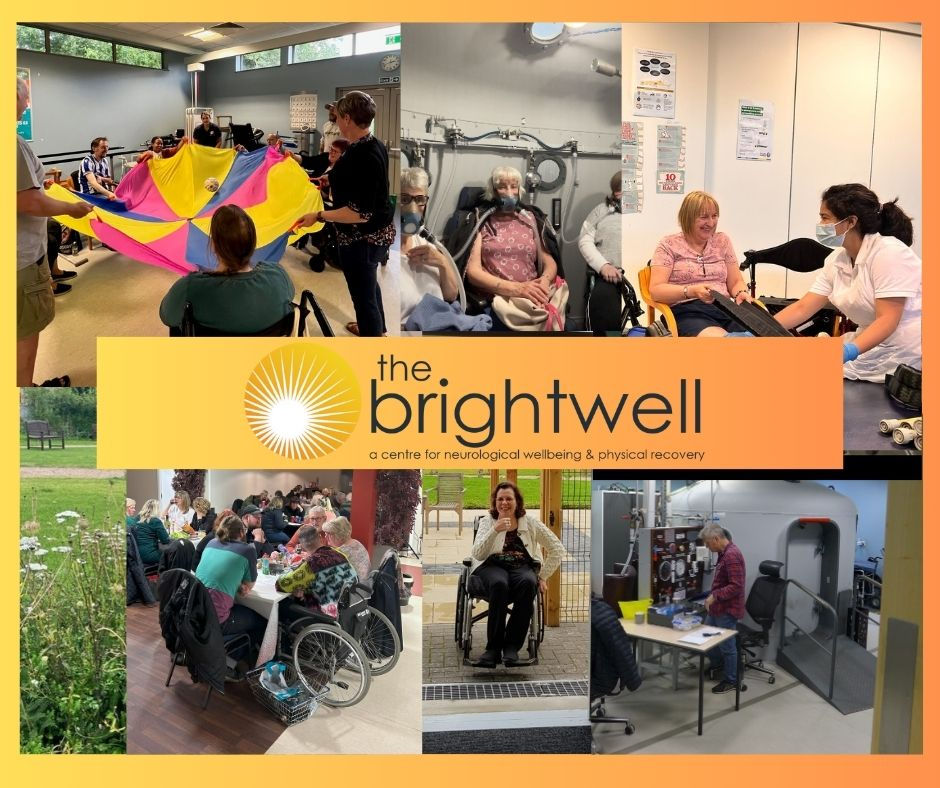
Specialist Physiotherapy classes and sessions can be found at The Brightwell, offering expert guidance tailored to chronic conditions like Fibromyalgia, including one-to-one physiotherapy, group classes and sessions, plus a great selection of complementary therapies.
To find out more, please visit www.thebrightwell.org.uk/physio
To book an assessment or to arrange a visit, please call 01454 201686 or email hello@thebrightwell.org.uk


Comments