


More Than You Can Imagine: Rare Disease Day 2026

Every year on the last day of February, the world turns its attention to a community that is often invisible, yet 300 million strong. February 28, 2026, marks the 19th annual Rare Disease Day, and this year's theme, "More Than You Can Imagine," is a powerful reminder that while a single disease may be rare, the collective experience of living with one is a global reality.
The spotlight in 2026 falls on equity, ensuring that the exhausting "diagnostic odyssey" so many patients endure ends sooner, and that life-saving treatments aren't determined by where you live or what you earn.
The Reality of "Rare" in 2026
It's a common misconception that rare diseases only affect a handful of people. In the UK alone:
3.5 million people live with a rare condition.
70% of these diseases begin in childhood, and
90% still have no approved treatment through the European Medicines Agency or NICE.
The need for progress is urgent.
Encouragingly, 2026 is a year of real momentum. The UK's Rare Diseases Framework has been extended through 2027, providing a vital bridge for policy and funding. Across Europe, the ERDERA (European Rare Diseases Research Alliance) has launched major transnational research initiatives, using AI and multi-omics to solve previously undiagnosed cases.
Breakthroughs Worth Celebrating
The past year has seen "medical miracles" move from the lab to the clinic:
1. Personalised CRISPR therapies are now being designed for single individuals, as in the landmark case of baby KJ Muldoon, whose life-threatening metabolic disorder was corrected with a bespoke gene-editing treatment.
2. AI-driven diagnostic tools are dramatically reducing the time it takes to identify rare genetic variants, uncovering patterns that once took decades to recognise.
3. Regulatory bodies like the FDA and MHRA are pioneering faster approval pathways for ultra-rare conditions, prioritising biological evidence in cases where large-scale clinical trials simply aren't possible.
A Future Built on Equity
Equity doesn't mean treating everyone the same, it means giving everyone what they need to thrive. As Rhiannon Walls, Rare Disease Day Global Lead, puts it: "Recognition is only the first step. Alongside awareness, we need concrete actions, clearer pathways, inclusive research, and services that are accessible to all."
The goal for 2026 is straightforward: nobody left behind.
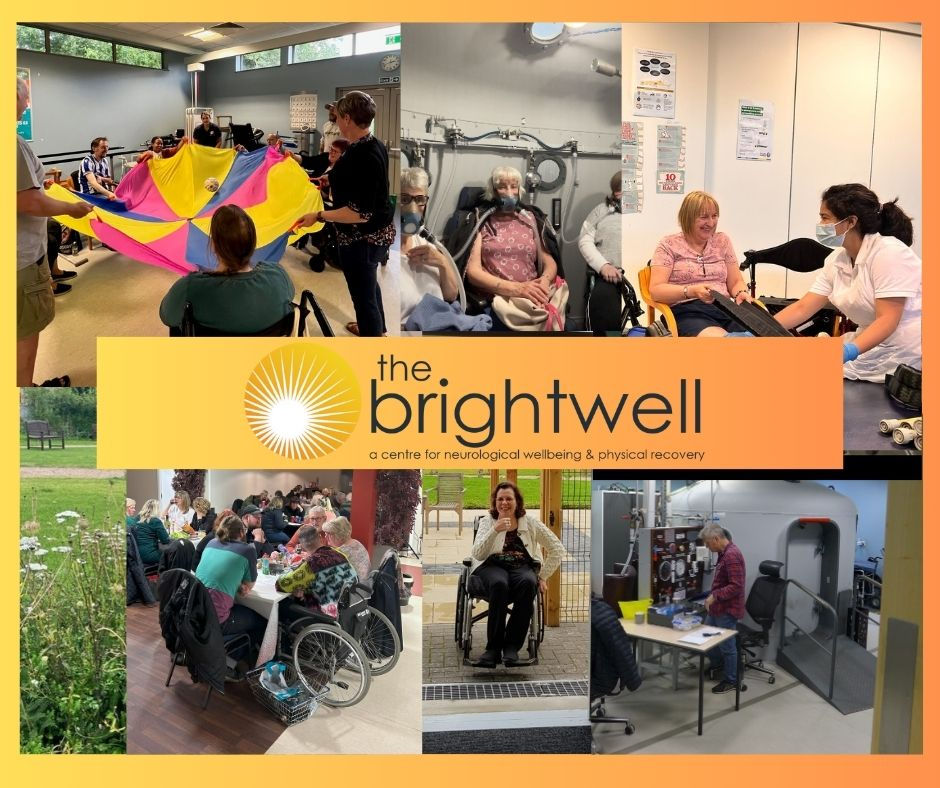
Therapies for Rare Diseases at the Brightwell
The Brightwell was originally founded to treat Multiple Sclerosis, opening our centre in Nailsea over 40 years ago. Over the decades, the range of conditions we support has grown significantly to include other chronic and neurological conditions such as Parkinson's, stroke, cancer, Long Covid, ME/CFS, and Fibromyalgia.
We have also had the privilege of working with members living with some very rare conditions, including Ehlers-Danlos syndrome, Labrune Syndrome, Hypokalaemic periodic paralysis, Guillain-Barré syndrome, Encephalitis, and various forms of Ataxia.
For further information about Rare Disease Day 2026, please visit www.rarediseaseday.org
To find out more about the therapies that we offer, please visit www.thebrightwell.org.uk/therapies or call us on 01454 201686


Comments